

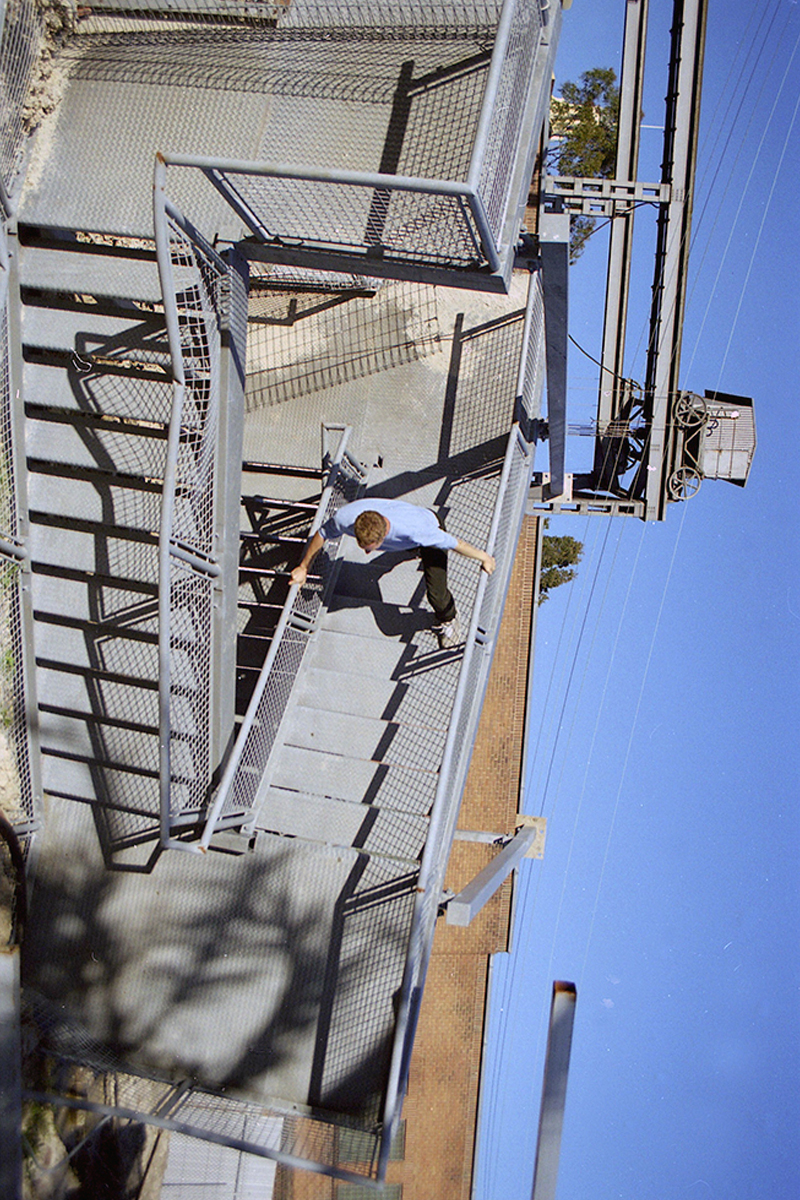
Knowledge in motion
Knowledge is only a rumour until it’s in the muscle.
Somewhere between one step and the next, ideas loosen and understanding stirs.
Peripatetic
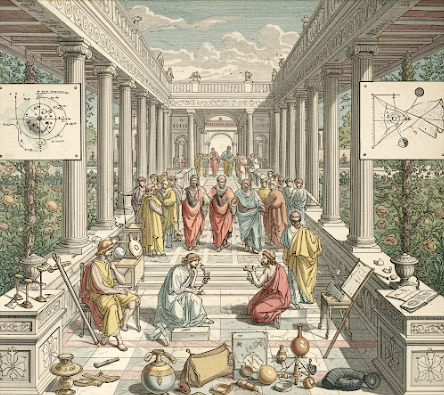
From the Greek peripatos, a walkway or promenade. Aristotle taught at the Lyceum in Athens, where walking, dialogue and inquiry became entwined. His followers became known as the Peripatetics, the “walkers”.
Philosophy unfolded on the move.
Thinking path
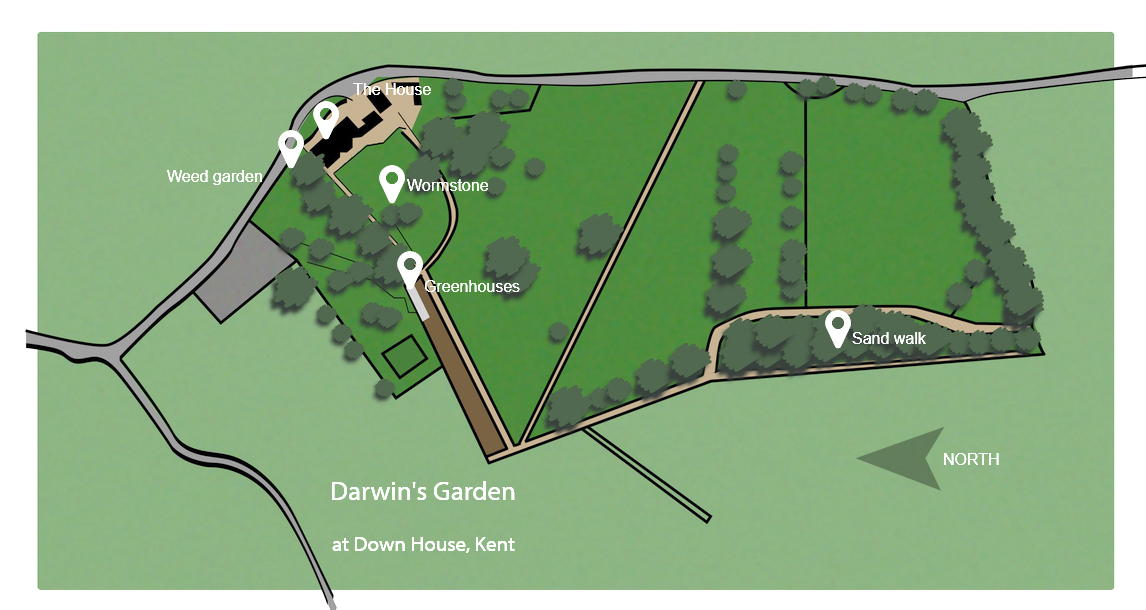
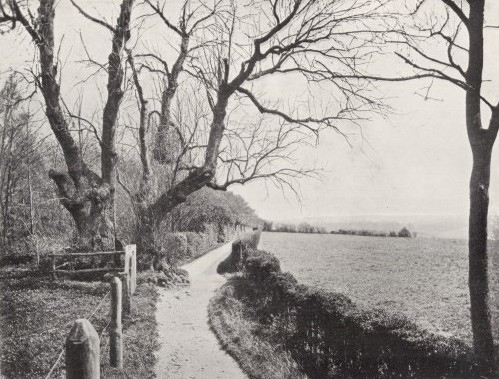
Charles Darwin walked the Sandwalk at Down House, counting each circuit with flints. A well-worn path, a steady rhythm, a simple ritual that gave structure to the walk while leaving the mind free to roam.
Memory Palace
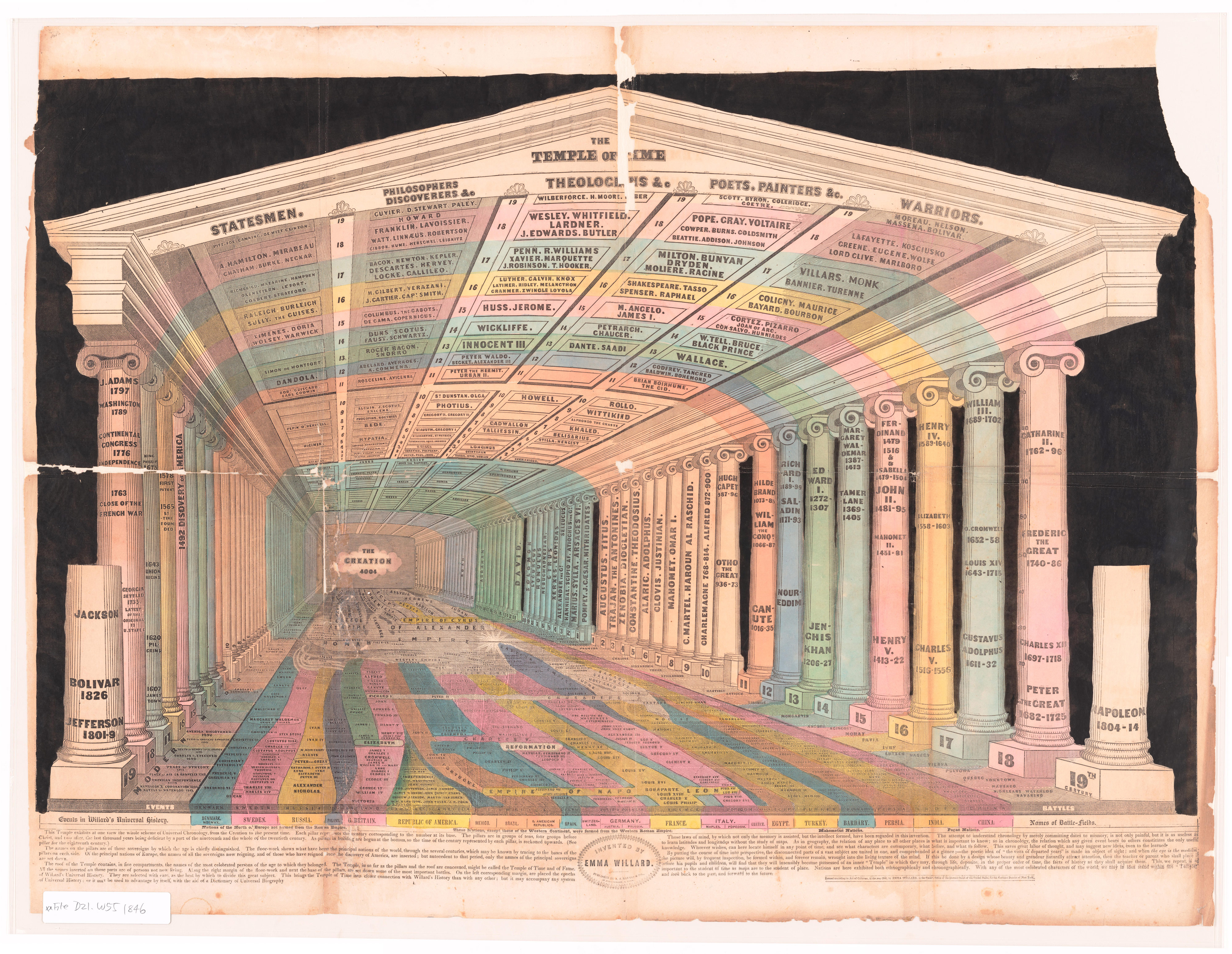
Legend has it that the poet Simonides identified the victims of a collapsed banquet hall by remembering where each had sat. The Romans developed this insight into an art of memory: placing ideas in familiar rooms, then mentally walking through to retrieve them. Memory becomes a landscape to wander, recollection waiting along a well-known path.
Songlines
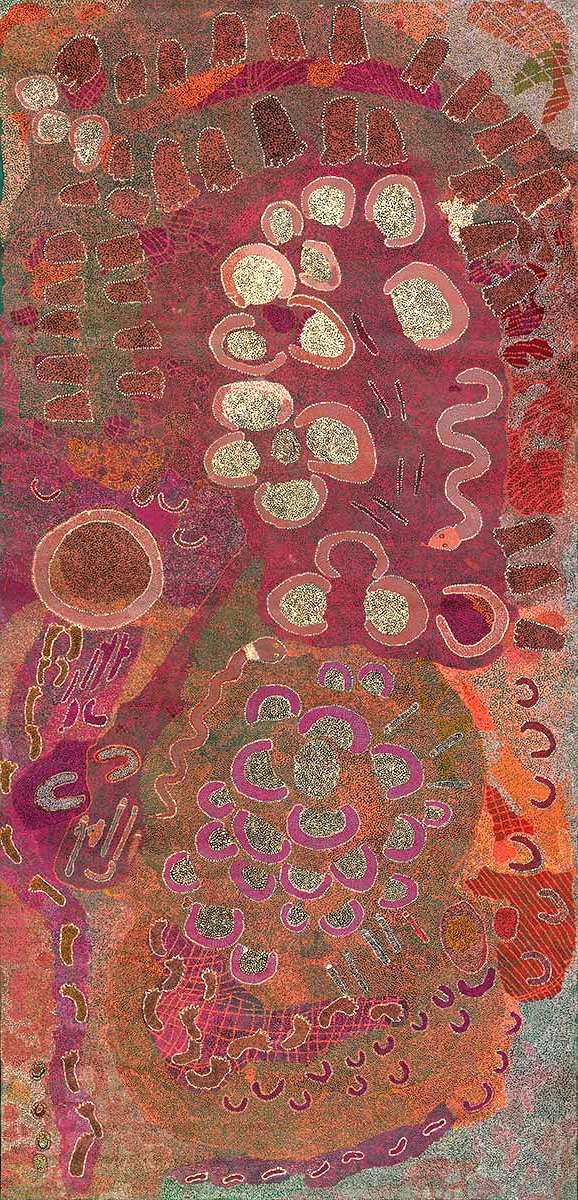
Across Australia, many First Nations peoples know country through songlines: pathways of knowledge carried in song, story and dance. Each waterhole, ridge and rock is part of a living map and to walk the path is to remember it.
Dérive
In 1950s Paris, Guy Debord and the Situationists wandered without a fixed destination, letting streets, shifting atmospheres and unexpected encounters guide them. The dérive turned drifting into a way of reading the city anew, allowing the familiar to become strange and possibility to emerge.
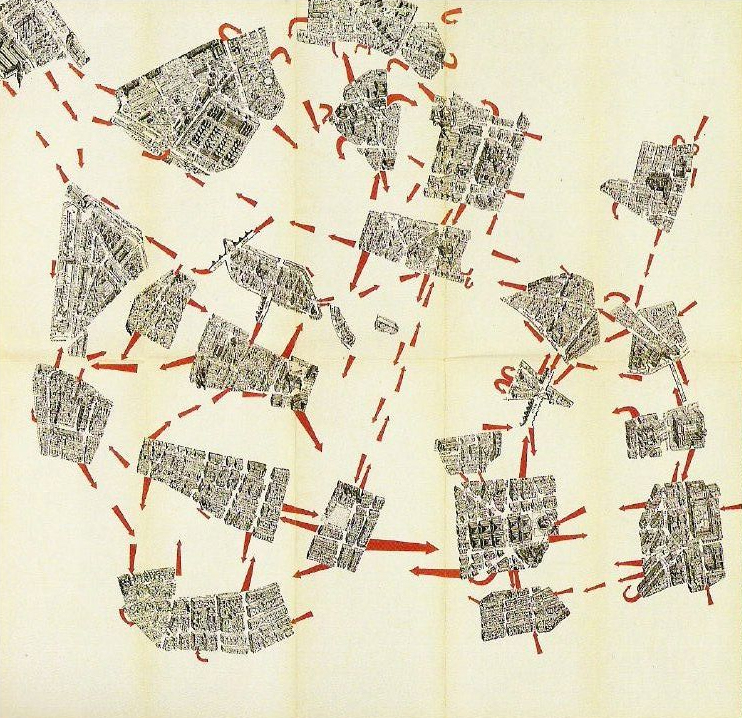
Learning in Motion
Walking can open up new avenues of thought. Research suggests it can stimulate creative thinking; anyone who has returned from a stroll with a fresh perspective knows the feeling.
Slow down.
Speed up.
Take the long way round.
That elusive idea may be waiting around the next corner.
